Critical thinking in Anatomy, Physiology, and Nursing can be difficult. Hopefully, this Nursing study guide makes it it easy and fun to grasp the concepts when talking about all Things Liver!
So Let’s Dive in and “Liver it up” …
The liver is the second heaviest organ in the body because it is highly vascularized, meaning it has a huge blood supply. That is why a liver laceration can become very serious, depending on the severity of the tear — the liver can bleed a lot.
The Liver…
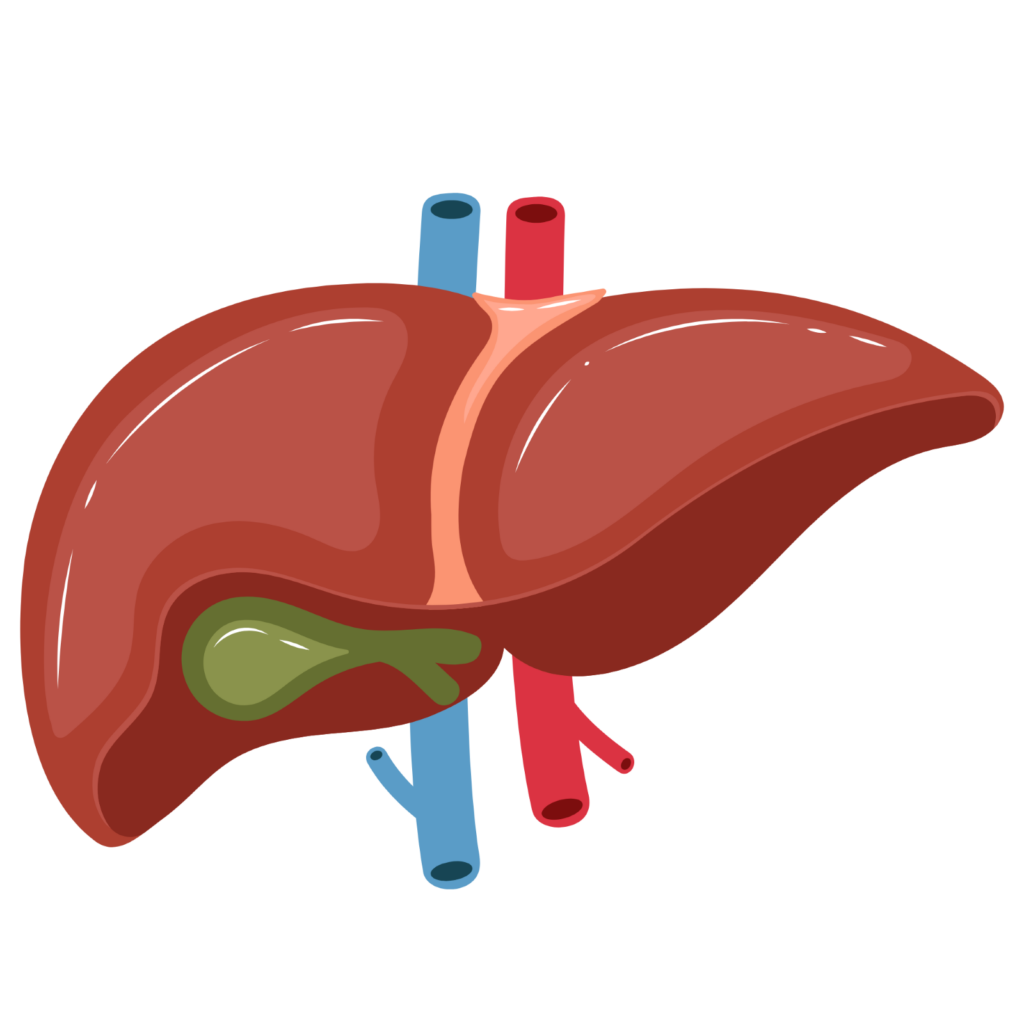
- Located in The Right Upper Quadrant of the abdomen.
- Intertwined and Connected to the Pancreas, and the Gallbladder.
- Connected to the small intestine in 2 ways,
- via the gallbladder which releases bile directly into the small intestine
- via the blood vessel network “The Hepatic Portal Vein“. After nutrients, drugs, and toxins, (excluding fats- they have a different pathway via lymph fluid) are absorbed into the blood they are taken to “The Portal”, the Hepatic portal vein, where they are filtered and processed by the liver. This protects your body and heart by having an initial “portal” or checkpoint.
- Plays a key role in digestion; it produces bile, a green substance that is released via the gallbladder to aid in the absorption of fats and fat-soluble nutrients.
Remembering Tip: Point to your own RUQ and say this is my liver and the gallbladder.
Comprehension Question: Answers below Image
- What is the Liver connected to?
- What is the main pathway (or I like to think interstate, if you look at blood vessels like roads) that allows nutrients to be brought from the small intestine to the Liver?
Right Upper Quadrant: RUQ
- What is the Liver connected to?
- The Gallbladder, Pancreas, and Small Intestine
- What is the main pathway (or I like to think interstate, if you look at blood vessels like roads) that allows nutrients to be brought from the small intestine to the Liver?
- The Hepatic Portal Vein
Liver and Co.
For nursing, it helps to think of the Liver as a giant factory and filtration system for the body, including Production, Storage, Processing, and Packaging.
The Liver “Factory” Main Functions
1. Absorption & Nutrition
Blood from the small intestines travels directly to the liver. The liver helps absorb fat-soluble vitamins and process water-soluble nutrients, carbohydrates, and minerals brought by the blood.
The Liver’s Production of bile is essential in absorbing fat and fat-soluble vitamins.
- Vitamins A, D, E, K are the fat soluble vitamins
- These are stored in the liver.
- Think: “A DEK of cards”
- Vitamin B12: An important water-soluble vitamin stored in the liver

2. Storage
The liver stores:
- Vitamins
- Fat soluble- Remember “A DEK” of cards.
- Vitamin B12
- Vitamin B1
- Minerals
- Iron
- Copper
- Glucose in the form of glycogen
Iron Storage
- Stored in the form of Ferritin.
Glycogen stores
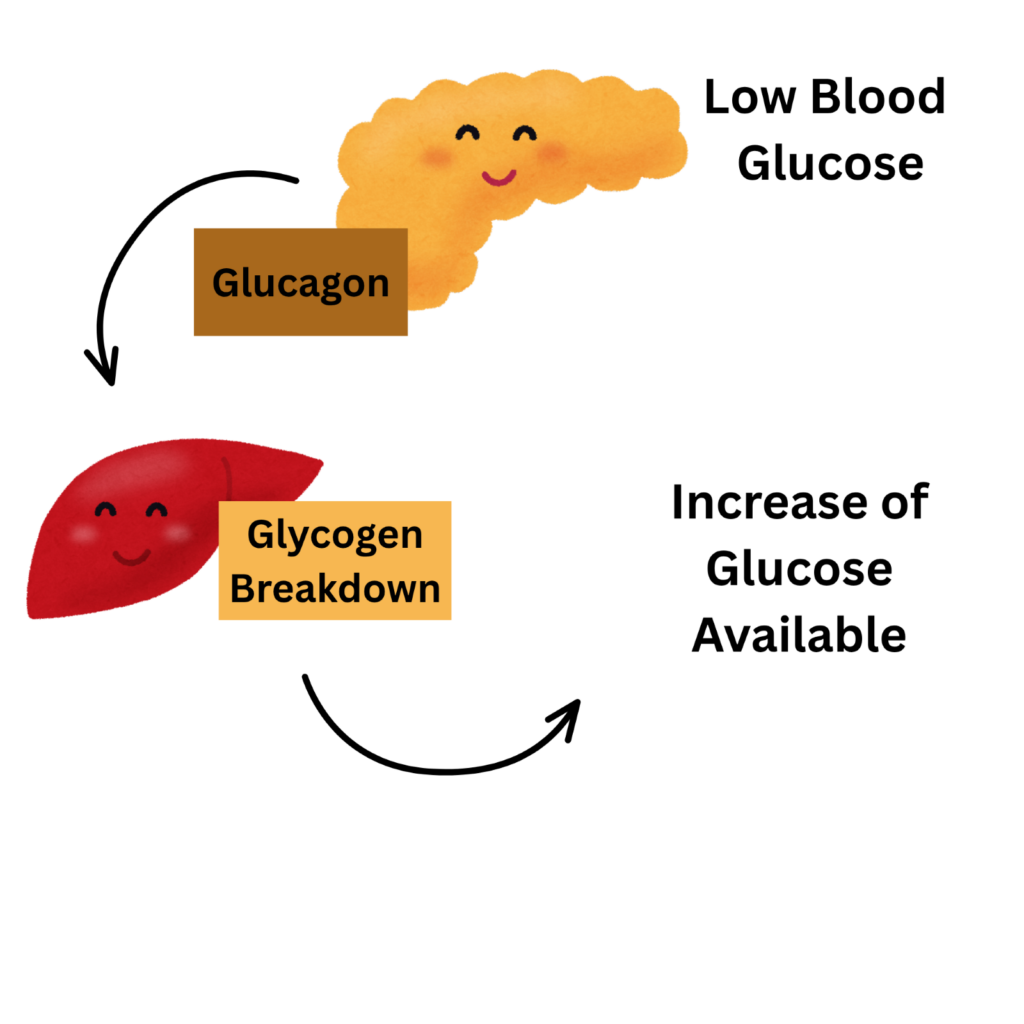
When blood glucose drops, the Pancreas releases a hormone, Glucagon. Glucagon triggers the Liver to release its stored Glucose, which is stored in the form of Glycogen. Glycogen is converted to an available source of glucose for the body to use.
Think “Gone” in Glucagon
- Glucagon is the enforcer and is going to go tell Glycogen to “Get Gone” and do its work, raising BG.
Think “LY” in G”ly”cogen like “Lysis”
- Glycogen needs to “break down” to be used as Glucose.
B Vitamins
A common treatment for patients with liver damage, who are admitted to the hospital, is B Vitamin supplementation. Liver disease, especially when alcohol induced, causes a lack of Thiamine (Vitamin B1) and cyanocobalamin (Vitamin B-12).
VB1=Thiamine (the i’s look like 1’s) -Th1am1ne-
- Deficiency can turn into a serious encephalopathy called Wernicke-Korsakoff. Causes encephalopathy and neuro symptoms.
- Wernike=(the acute, reversible stage)
- Korsakoff (the chronic, permanent damage).
VB12=Cyancobalamin (it’s a long word more than 12 letters)
-Remember VB12 is important in RBC formation.
- Deficiency can cause megaloblastic anemia and neuro symptoms.
3. Catabolism (Breaking Things Down)
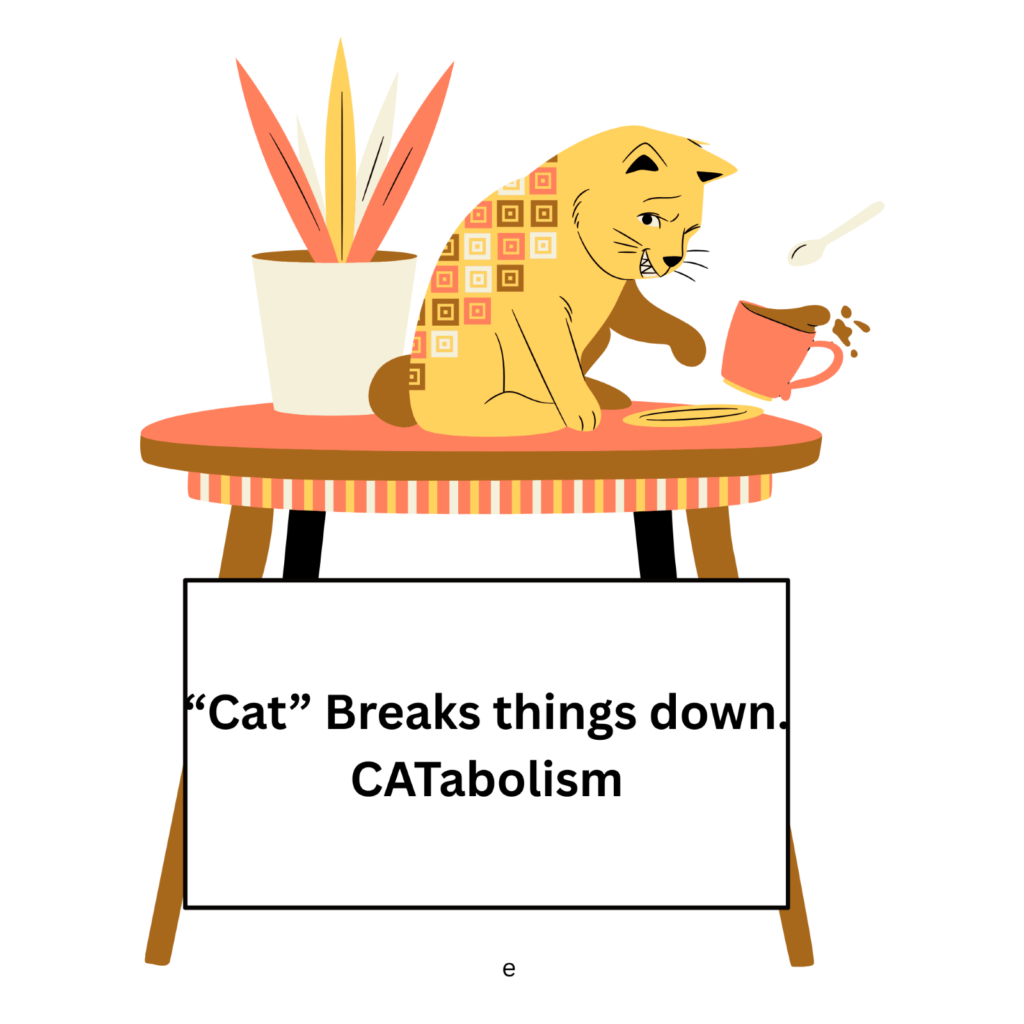
Think: “Cats break things down.”
The liver processes nutrients by breaking them down:
- Carbohydrates
- Carbs are broken down to be used for energy or stored as glycogen in the liver.
- Fats
- The liver breaks down fats to be available in case of low sugar (Like when Glycogen stores are gone).
- The liver also breakdowns fats to later be packaged in cholesterol and lipids in order to be transported in the body.
- Proteins
- The liver aids in breaking down Proteins into their amino acid building blocks for use in the body (a byproduct of this is Ammonia, which will be important to note in liver disease).
The Liver Produces Important Things
The Liver produces important proteins that have many essential functions in the body.\
Clotting Factors
The Liver Produces Clotting Factors important for control bleeding.
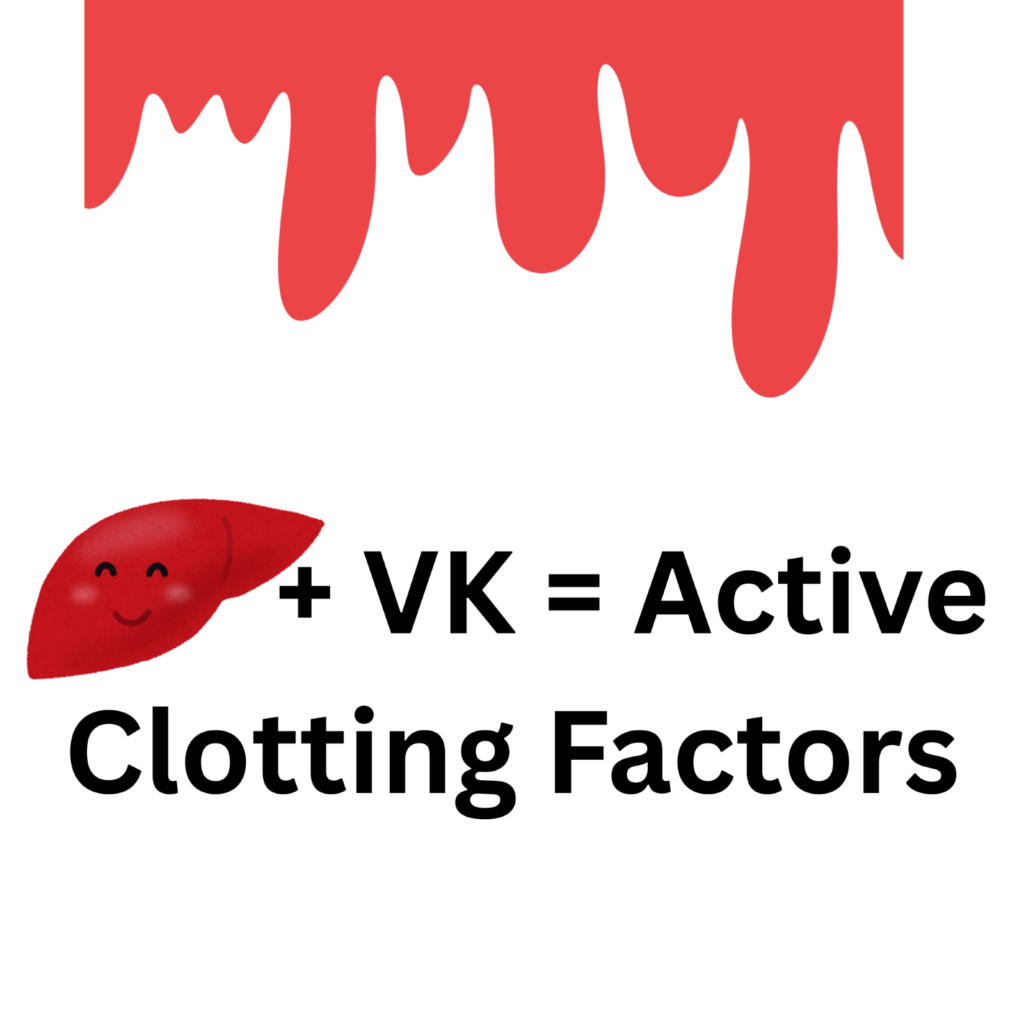
Vitamin K is stored by the liver and is used as an Essential ingredient for activating the clotting factors after they are made in the Liver.
When the liver is failing:
- Clotting factors decrease
- Bleeding risk increases
- INR/PT (clotting time labs) often become elevated
This is why liver patients can bleed easily.
Important to monitor INR: The higher an INR for a patient admitted in the hospital for Liver disease, is associated with a worse outcome.
Critical Thinking
A common drug called Warfarin, inhibits the enzyme that allows vitamin K to activate clotting proteins. While patients are on warfarin, their INR/PT Labs are monitored closely to achieve a therapeutic range. The goal is to thin the blood just enough to help prevent blood clots.
What do you think would happen if a patient taking Warfarin started eating a huge amount of vitamin K, or significantly decreased the amount of vitamin K eaten?
Patients taking warfarin are advised not to drastically change the amount of Vitamin K they are eating. An increase of VK consumption could counteract the inhibitory effects of warfarin. Causing the blood to be less thin and more prone to clots and vice a versa with significantly decreasing the amount.
Lots of vitamin K foods are very nutrient-dense, and fiber rich and very heathy. Patients taking warfarin don’t need to avoid these foods altogether, but need to aim for consistency so the dosing of the medication is effective.
Nursing Study Guide: All Things Liver
The Liver Produces:
Albumin: a Protein
The Liver Produces a VIP protein called Albumin
- Helps transport substances in the blood
- Reflects nutritional status
- Maintains osmotic pressure
- More specific, Oncotic Pressure– a type of colloidal osmotic Pressure
- Which is the “pressure” or I like to think of it as the “draw” it has for fluid. This keeps the fluid in the blood vessel instead of leaking out into tissues it is not supposed to be in.
Why Albumin Matters
Albumin helps keep fluid inside blood vessels.
When albumin is low:
- Fluid leaks into tissues
- “Third spacing” occurs: (fluid is in places it shouldn’t be)
- Patients develop edema and ascites
Many liver patients are malnourished because the liver is deeply involved in nutrition and protein production.
Labs to Know
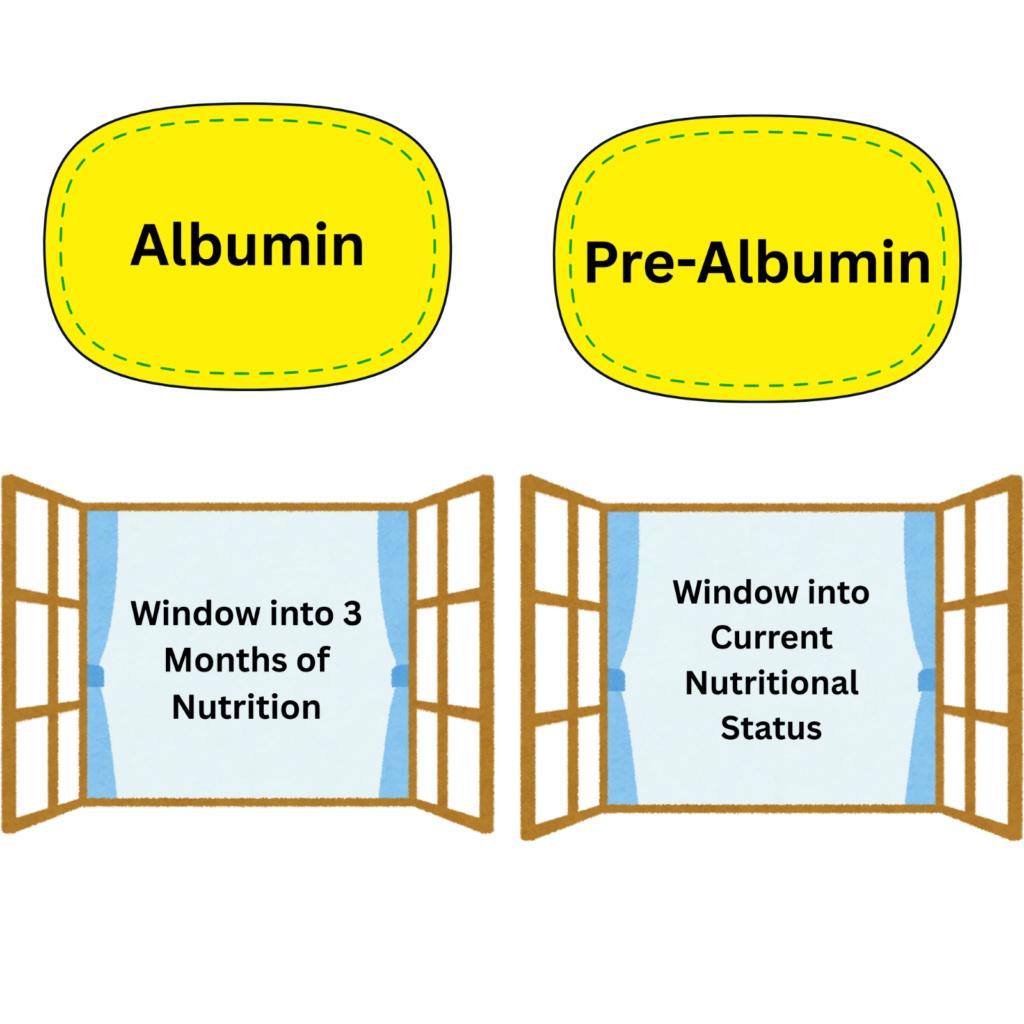
- Albumin: A Window into the patient’s past 3 months of nutrition.
- Prealbumin: This precursor to albumin shows a more current view of nutrition.
The Liver Produces:
Transport Proteins
- Albumin acts as a transport Protein for hormones, bilirubin, and medications
- Transferrin: Binds iron and transports it from the Liver to Bone Marrow.
- Hormone binding proteins: they allow Hydrophobic molecules travel through the blood
The Liver: The Body’s Cleanup Crew
The liver filters and metabolizes:
- Alcohol
- Medications
- Toxins
- Ammonia
- Bilirubin
When liver function declines, medications and toxins stay in the bloodstream longer.
Medication Metabolism & Liver Disease
Filter A: Liver Enzymes
The liver uses enzymes to break down medications.
One important enzyme pathway is affected by grapefruit. Grapefruit inhibits this enzyme, decreasing the breakdown activity, therefore causing an increased amount of medication levels in the blood — especially blood pressure medications — may cause an exaggerated effects.
Comprehensive Question:
If a patient is taking nifedipine (Med that treats High Blood Pressure), and drinking grapefruit juice. Would the BP be at a greater risk of being higher or lower than intended?
Answer:
BP would run the risk of being lower than intended due to grapefruit stopping the liver enzyme that breaks down medication.
Filter B: First-Pass Metabolism
Most medications pass through the liver before entering systemic circulation.
If the liver is not functioning well:
- Less medication gets metabolized
- Higher drug levels remain in the bloodstream
Filter C: Albumin & Medication Binding
Many medications bind to albumin in the blood.
Low albumin means:
- More “free” medication circulating
- Stronger medication effects
- Higher risk of toxicity
Ammonia & Hepatic Encephalopathy
The liver converts ammonia into urea so it can be excreted in urine.
- Ammonia is a byproduct of protein catabolism and a byproduct of gut bacteria.
When the liver fails:
- Ammonia builds up
- It crosses the blood-brain barrier
- Causes brain swelling and neurologic changes
This condition is called:
Hepatic Encephalopathy
Ammonia comes from:
- Protein metabolism
- Muscle breakdown
- Gut bacteria
Signs of Elevated Ammonia
Normal ammonia:
- Approximately 10–80 mcg/dL
Around >100 mcg/dL
Watch for:
- Confusion
- Lethargy
- Mood changes
- Vomiting
- LOC changes
Around >200 mcg/dL
Higher risk for:
- Seizures
- Coma
Nursing Assessment Tips
Labs matter — but assess the patient first.
Watch closely for:
- Changes in LOC
- Orientation changes
- Confusion
- Increasing lethargy
Some patients tolerate high ammonia levels better than others, while some become symptomatic quickly.
Mental status changes are often the first sign ammonia is worsening or improving.
Lactulose: The Classic NCLEX Drug
Think:
“Lactulose makes you loose so you lose ammonia.”
Lactulose is a non-absorbable sugar.
We do not have the enzyme to break it down, so it stays in the colon where it:
- Changes colon pH
- Traps ammonia in stool
- Prevents ammonia absorption
- Helps remove ammonia through bowel movements
Nursing Reality
Lactulose works extremely well, from what I have personally experienced in my nursing practice.
Many liver failure patients dramatically improve mentally once ammonia levels decrease.
But patients often refuse it because:
- It causes loose stool,
- Frequent bowel movements are uncomfortable
- usually given 3-4 times a day which can be overwhelming for patients.
Most orders are titrated to:
- 3 bowel movements/day
Real-Life Nursing Tip
One patient had extremely high ammonia levels and was nearly comatose, responsive only to pain.
The night nurse appropriately held oral meds because the patient:
- Could not safely swallow
- Had aspiration risk
Remember: Pt not safe to take the oral meds, still needs her meds, and in this case lactulose.
What do you do?
The provider was notified , and the patient was switched to:
- Lactulose enemas
This is why nursing judgment matters:
- Patient safety first
- But ammonia still needs treatment urgently
After 2 lactulose enemas- the patient came around, was talking, and oriented. Every one is different on how fast and the efficecy.
Rifaximin
Rifaximin is a poorly absorbed antibiotic that:
- Targets ammonia-producing gut bacteria
- Due to being poorly absorbed, stays in the gut and fights off the bad guys.
- Helps reduce ammonia levels
Sometimes patients also require additional bowel regimens if constipated and lactulose is not clearing their bowels.
Bilirubin & Jaundice
Bilirubin is a byproduct of red blood cell breakdown.
Normally, the liver:
- Conjugates bilirubin
- Excretes it into bile
- Gives stool its brown color
When the liver fails:
- Bilirubin builds up
- Patients become jaundiced
First Signs of Jaundice
Often seen in:
- Eyes
- Mucous membranes
Scleral Icterus: Yellowing of the eyes is called
Stool may become:
- Pale- because the bilirubin usually gives stool its orange color.
- Gray/clay-colored
Especially if bile flow is impaired.
Portal Hypertension & Esophageal Varices
The liver receives blood through the portal vein from:
- GI tract
- Spleen
- Gallbladder
- Pancreas
In liver disease:
- Liver tissue becomes stiff and scarred
- Blood struggles to flow through
- Pressure backs up into surrounding veins
This is called:
Portal Hypertension
One dangerous result is:
Esophageal Varices
These are enlarged veins in the esophagus that can rupture and bleed massively.
Esophageal varices are one of the leading causes of death in liver disease.
Treatments for Esophageal Varices
Beta Blockers
Help reduce portal pressure.
Banding
A band is placed around the varix to cut off blood flow. The tissue eventually dies and falls off.
Sclerotherapy
During an EGD, a sclerosing agent is injected into the varices to create scarring and reduce bleeding.
TIPS Procedure
A shunt is created between the portal vein and hepatic vein to reduce portal pressure.
Spider Angiomas
Spider angiomas are small visible blood vessels commonly seen on:
- Face
- Nose
- Upper chest
They occur due to portal hypertension and hormonal changes.
Ascites & Third Spacing
Low albumin causes fluid to leak into tissues.
One major place fluid collects is the abdomen:
Ascites
Patients may appear several months pregnant due to fluid accumulation.
Caput Medusae
With severe ascites, enlarged abdominal veins may radiate from the belly button.
This is called:
Caput Medusae
- “Caput” = head
- Named after Medusa’s snake-like hair
Paracentesis (“Getting Tapped”)
Large ascites may require drainage through:
Paracentesis
Usually:
- Ultrasound-guided
- Done in IR
- Removes excess abdominal fluid
Albumin & Diuretics
Albumin Infusion
Replaces albumin protein and helps pull fluid back into blood vessels.
Diuretics
Help remove excess fluid through urination.
Nursing Considerations
Always monitor:
- Blood pressure
- Electrolytes
- Kidney function
Common sequence:
- Give albumin first
- Fluid shifts back into vessels
- Then give diuretics to remove fluid
Remember:
- Albumin may increase BP
- Diuretics may decrease BP
Always assess if administration is safe.
Progression of Liver Disease:
Fatty Liver
Caused by:
- High-fat diet
- Type 2 diabetes
- Alcohol
- Obesity
- Certain medications
Steatohepatitis
Fat accumulation causes inflammatio
Fibrosis
Chronic inflammation causes scar tissue formation.
Cirrhosis
Severe irreversible scarring of the liver.
If caught early, liver disease can often improve by removing the damaging cause.
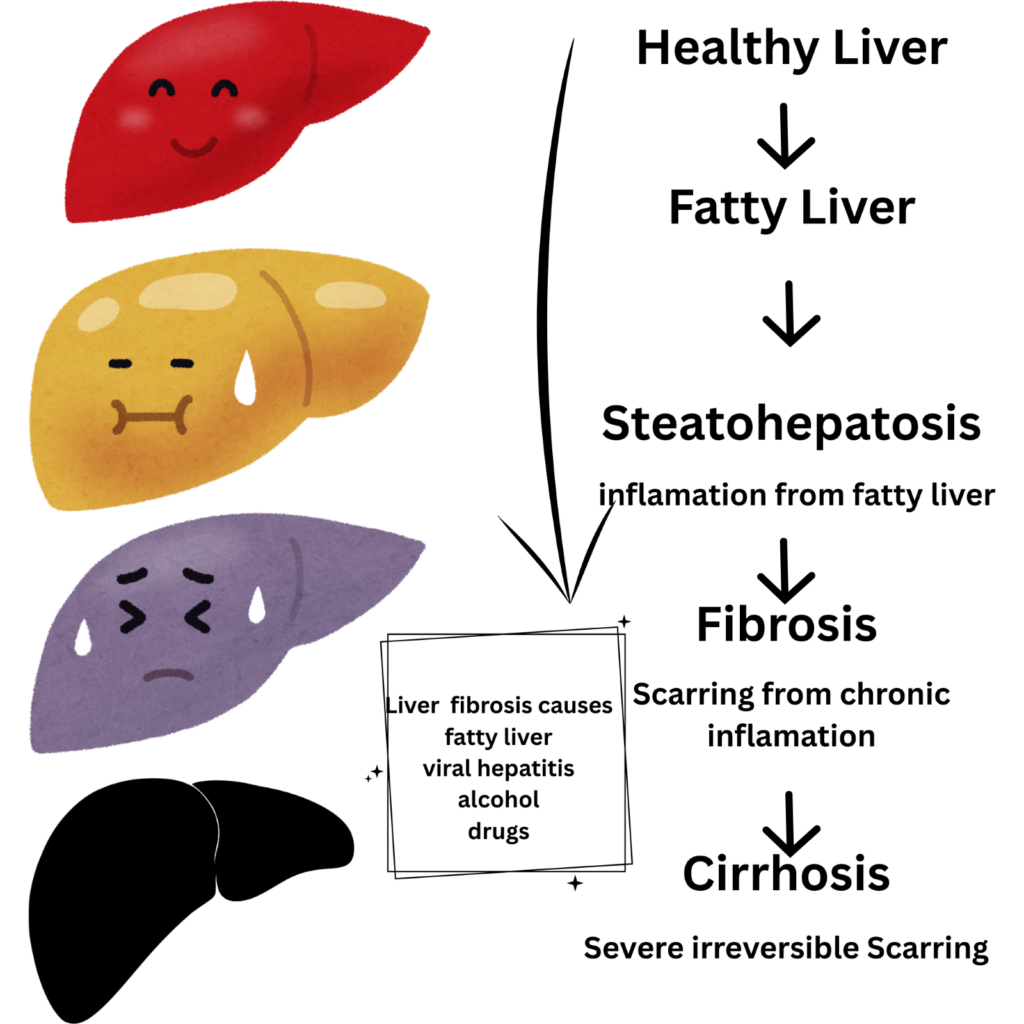
Other Causes of Liver Damage
- Viral hepatitis
- Alcohol abuse
- Chronic inflammation
- Certain medications
Hormonal Effects of Liver Disease
The liver also helps metabolize estrogen.
When liver function decreases:
- Estrogen builds up
This can lead to:
Palmar Erythema
Red palms/hands
Gynecomastia
Development of breast tissue in males
Important Liver Labs for Nurses
AST & ALT
Liver enzymes released during liver cell injury.
- ALT is more liver-specific
- Think: “ALT = L for liver”
- Trend Liver Enzymes to see if liver is improving of declining.
PT/INR
- Reflect clotting ability, and bleeding time.
- Elevated INR in liver disease often indicates worsening liver function.
Ammonia
- Elevated levels can lead to hepatic encephalopathy.
Bilirubin
- Elevated levels contribute to jaundice.
Albumin
- Shows protein production and nutrition status.
Prealbumin
- More current nutritional marker.
The Liver is Essential
The Liver Factory and co. keep us moving and grooving. Very important to educate patients and as nurse be educated on all things liver.
Check out more study guides Here.
Reference Links:
Information was verified and based on these references.